
Construction site safety requires strong protective measures, with scaffold shade cloth and netting being essential parts of modern building practices. These protective barriers have two main purposes: keeping workers safe and protecting the surrounding environment.
Scaffold shade cloth provides a thick protective layer, offering better privacy and dust control on construction sites. Made from high-quality materials that resist UV rays, it creates an effective barrier against harsh weather conditions while keeping the site secure.
Scaffold netting has a mesh design specifically created to stop debris from falling, ensuring the safety of both workers and pedestrians. Its lightweight structure allows for proper airflow while meeting strict safety regulations.
The choice between these two protective solutions affects:
- Worker safety and comfort
- Environmental containment
- Site security
- Project compliance
- Cost-effectiveness
As construction projects become more complex and urban areas become more crowded, selecting the right protective barrier becomes critical for project success and following regulations. Knowing the different features of scaffold shade cloth and netting helps in making informed choices for specific site needs.
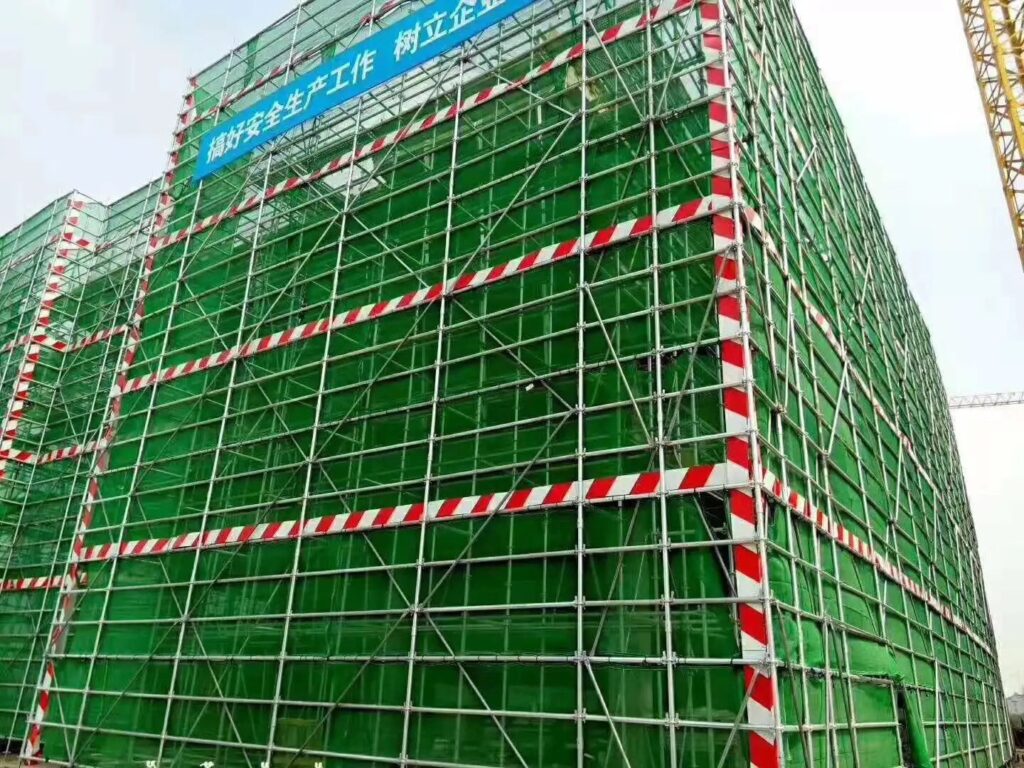
Understanding Scaffold Shade Cloth and Netting
Scaffold shade cloth and netting serve distinct purposes on construction sites, each designed to address specific safety and environmental challenges. These protective materials create essential barriers between construction activities and the surrounding environment.
Scaffold Shade Cloth
- Made from high-density polyethylene (HDPE) fabric
- Provides 50-90% coverage options
- Creates visual screening and dust containment
- Offers substantial wind reduction capabilities
- Functions as a privacy barrier for sensitive work areas
The scaffold shade cloth not only aids in dust control but also plays a crucial role in managing health hazards associated with construction activities.
Scaffold Netting
- Constructed from lightweight, high-strength mesh
- Features standardised aperture sizes for debris control
- Allows enhanced airflow compared to shade cloth
- Prioritises fall protection and debris containment
- Meets specific safety regulations for height work
The primary distinction between these materials lies in their structural composition and intended applications. Shade cloth utilises a woven fabric design, creating a semi-permeable barrier that excels at dust control and weather protection. Netting employs an open-mesh structure, focusing on catching falling objects while maintaining essential ventilation.
Find more on: A Beginner’s Guide to Reo bars and Their Role in Structural Integrity
Material Applications
- Urban construction sites
- Heritage building renovations
- High-rise developments
- Infrastructure projects
- Residential renovations
The selection between shade cloth and netting impacts worker comfort, site safety, and project efficiency. Shade cloth proves invaluable for projects requiring enhanced privacy and weather protection. Netting demonstrates superior performance in scenarios where maximum ventilation remains crucial while maintaining robust safety standards.
These protective solutions play vital roles in different construction environments. The material choice affects multiple aspects of site operations:
- Worker visibility conditions
- Ambient temperature control
- Dust migration patterns
- Equipment protection levels
- Public safety measures
Understanding these fundamental differences enables informed decisions about site protection strategies, ensuring compliance with safety regulations while optimising work conditions.

Features of Scaffold Shade Cloth
Scaffold shade cloth stands out for its robust construction using high-density polyethylene (HDPE). This specialised material creates a durable, weather-resistant barrier that maintains its structural integrity under challenging site conditions.
Key Material Properties:
- Dense HDPE weave for enhanced protection
- UV-stabilised compounds for extended lifespan
- Fire-retardant treatments for site safety
- Customisable density ratings from 50% to 90%
The integration of UV inhibitors plays a crucial role in the shade cloth’s performance. These protective compounds prevent material degradation from prolonged sun exposure, maintaining the cloth’s strength and colour stability throughout multiple projects.
Windbreak Capabilities:
- Reduces wind speed by up to 75%
- Minimises dust dispersal
- Protects scaffolding structures
- Creates safer working conditions
The shade cloth’s design serves dual purposes as a security barrier. Its opaque nature restricts visibility into construction sites, deterring theft and unauthorised access. The material’s tensile strength resists tampering attempts, making it an effective site security solution.
Additional Protection Features:
- Water-resistant properties
- Anti-static treatment
- Tear-resistant reinforcement
- Flexible installation options
The shade cloth’s knitted construction allows proper airflow while maintaining protection levels. This balance creates comfortable working conditions for construction teams without compromising site safety requirements.
Features of Scaffold Netting
Scaffold netting serves as a critical safety barrier on construction sites through specific design features and installation requirements. The mesh size specifications play a vital role in debris containment:
Standard Mesh Sizes
- 2mm – 4mm for fine particle control
- 4mm – 6mm for general debris
- 6mm – 8mm for larger materials
OSHA regulations mandate specific requirements for scaffold netting to ensure workplace safety:
- Minimum breaking strength of 176 pounds
- Fire-resistant properties, which can be achieved through the use of best fire-resistant building materials
- Secure attachment points every 50 feet
- Regular inspection protocols
The versatility of scaffold netting allows for multiple installation configurations:
Vertical Installation
- Attached directly to scaffold framework
- Secured with cable ties or hooks
- Ideal for high-rise construction
Horizontal Installation
- Positioned as catch platforms
- Reinforced edge binding
- Suitable for overhead protection
The durability requirements for scaffold netting include:
- UV-stabilised materials
- Weather-resistant properties
- Tear-resistant reinforcement
- High-tensile strength ratings
These technical specifications ensure scaffold netting maintains its protective capabilities throughout the construction project lifecycle while meeting strict safety standards. Moreover, the materials used in scaffold netting often have to meet certain criteria such as being weather-resistant and having tear-resistant reinforcement, which further enhances their effectiveness as a safety measure on construction sites.
Choosing Between Scaffold Shade Cloth and Netting
The selection between scaffold shade cloth and netting requires careful consideration of multiple factors to ensure optimal site protection and safety compliance.
Protection Level Requirements
- Heavy debris zones demand robust netting with specific mesh sizes
- Dust-sensitive areas benefit from shade cloth’s tighter weave
- Multi-level construction sites might need a combination of both materials
Environmental Considerations
- Wind exposure levels affect material choice:
- High-wind areas: Shade cloth acts as effective windbreak
- Moderate conditions: Standard netting suffices
- UV radiation resistance:
- Shade cloth offers superior UV protection
- Netting requires more frequent replacement in sun-exposed areas
- Rain and moisture management:
- Shade cloth provides better water resistance
- Netting allows faster drying after wet conditions
Fire Safety Standards
- Fire retardancy ratings vary between materials:
- AS 1530.2 compliance for shade cloth
- BS 476 standards for safety netting
- High-risk areas require certified fire-retardant materials
- Local building codes dictate minimum fire safety requirements
Cost-Benefit Analysis
- Initial investment vs longevity
- Maintenance requirements
- Replacement frequency
- Material durability in specific conditions
Site-Specific Factors
- Project duration influences material selection
- Proximity to residential areas
- Local weather patterns
- Height and scale of scaffolding structure
The choice between these materials must align with project requirements, environmental conditions, and safety regulations. A thorough site assessment helps determine whether shade cloth, netting, or a combination provides the most effective solution for specific construction needs.
Comparative Analysis: Shade Cloth vs. Netting Performance
A direct comparison of performance metrics reveals distinct advantages for both scaffold shade cloth and netting in specific applications.
Debris Containment Capabilities
- Shade cloth demonstrates superior dust control with its tighter weave structure
- Netting excels at catching larger debris and construction materials
- Dense shade cloth (90% coverage) provides optimal containment for fine particles
- Standard construction netting catches objects >1cm effectively
Airflow Management
- Scaffold netting allows 60-70% air passage through its mesh design
- Shade cloth restricts airflow based on density:
- 50% shade cloth maintains adequate ventilation
- 90% shade cloth reduces air circulation significantly
- Worker comfort correlates directly with proper airflow rates
- Heat stress risks increase with restricted ventilation
Safety Standard Compliance
- Both materials must meet AS/NZS 4576 guidelines
- Critical safety performance indicators:
- Wind load resistance
- UV degradation resistance
- Tear strength requirements
- Fire resistance ratings
Performance Under Weather Conditions
- Shade cloth offers enhanced wind protection
- Netting provides better water drainage during rain
- UV resistance varies:
- Premium shade cloth maintains strength for 5+ years
- Standard netting requires replacement every 2-3 years
Site-Specific Performance
- High-rise construction benefits from netting’s debris catch rate
- Renovation projects favour shade cloth for dust control
- Mixed-use applications might require both materials
- Material performance changes with height and exposure levels
The selection between these materials often requires balancing multiple performance factors against specific site requirements and environmental conditions. Each option presents unique strengths in different construction scenarios, making a thorough analysis essential for optimal site safety and efficiency.
Best Practices for Installation and Maintenance
Proper installation and regular maintenance of scaffold protection materials ensure optimal safety and longevity on construction sites. Here are essential guidelines for both shade cloth and netting:
Secure Installation Methods
- Attach materials at regular intervals using appropriate fixings
- Install with sufficient tension to prevent sagging
- Create overlaps of 100mm minimum between sections
- Check anchor points daily for stability
- Use UV-resistant cable ties or metal fixings
Critical Safety Checks
- Inspect for tears or damage before each shift
- Verify all securing points remain tight
- Check weather forecasts to anticipate additional securing needs
- Document inspections in site safety logs
- Replace damaged sections immediately
Maintenance Requirements
- Clean surfaces regularly to prevent debris build-up, following the guidelines outlined in this environmental cleaning resource
- Remove any sharp objects that could cause tears
- Store spare materials in dry, covered areas
- Keep installation tools readily available
- Maintain proper tension through regular adjustments
Storage and Handling
- Roll materials carefully to prevent creasing
- Store away from direct sunlight when not in use
- Keep away from chemical exposure
- Handle with clean, dry hands
- Transport in protective wrapping
These practices help maximise the effectiveness of scaffold protection while meeting workplace safety requirements. Regular maintenance schedules should align with site-specific risk assessments and local weather conditions.
Conclusion
Choosing between scaffold shade cloth and netting is crucial for ensuring safety and efficiency on construction sites. Each material has its own specific uses and advantages depending on the requirements of the project.
Key Factors to Consider:
- Weather conditions and local climate
- Duration of the project and budget limitations
- Compliance with regulations
- Amount of debris containment required
- Location of the site and surrounding environment
The best choice depends on carefully considering these factors and understanding the strengths of each material. Shade cloth is excellent for protecting against UV rays and withstanding harsh weather, making it perfect for long-term projects. On the other hand, scaffold netting is superior in containing debris and meeting strict safety regulations.
By strategically selecting materials, properly installing them, and maintaining them, we can ensure the safety of workers and the success of projects. Investing in suitable protective materials for construction sites brings long-term benefits such as improved safety at the workplace, increased efficiency in projects, and reduced impact on the environment.